Mastering Storytelling Through Analysis and Customer-Centric Approaches

In this episode of Digital Marketing Stories Jim interviews John Elbing, founder of Standpoint in Switzerland, about his “Story Building” methodology for helping companies tell the right story from the customer’s point of view rather than focusing on themselves.
John explains how his varied background led him to refine existing storytelling frameworks into his own process and why companies often need outside perspective to see gaps in their messaging.
He discusses auditing a brand’s full online presence - website, social channels, and even how AI describes the company - to ensure consistent narrative and avoid being driven by vanity metrics.
John outlines a three-step model:
* recognition (customers see it’s for them)
* perception (they understand differentiation)
* projection (they can imagine the steps and positive future)
plus how podcast guesting and his book (with AI prompts) support credibility and practice.

 Spotify

 Apple Podcasts

 YouTube

 Amazon Music

 Podchaser

 Youtube Music
- Storybuilding: Your Brand From Their Standpoint -John's Book on Amazon
- standpoint
- John Elbing - LinkedIn
I have one small favour to ask.
Would you please follow the show wherever you listen to podcasts. Your support helps inspire me to get more guests to come and share their stories.
Just search for Digital Marketing Stories
Important Notes
This is Digital Marketing Stories on Bad Decisions with Jim Banks, the weekly podcast for digital marketers who want to learn from the best.
New episodes are released every Wednesday at 2PM GMT where you'll get digital marketing stories and anecdotes along with bad decisions and success stories from digital marketing guests who've been there and done that in many of the disciplines that make up the discipline of digital marketing.
The podcast is powered by Captivate and all the ums, and ers have been removed using Descript to make your listening more enjoyable.
Some of the snappy titles, introductions, transcripts were created using AI Magic via Castmagic
Disclaimer: some of the links on the show notes of my podcast are affiliate links.
If you click and buy from any of these links, I may receive a commission as a result of your action.
00:00 - Meet John from Standpoint
00:07 - Story Building Method
01:06 - Origin Story Catalyst
02:48 - Finding Clients Channels
04:13 - Narrative Audit And AI
05:32 - Tough Feedback Framing
08:02 - Social Metrics Trap
11:36 - Three Step Framework
14:40 - Selling The Future
16:13 - Why Podcast Guesting
19:16 - Writing The Book
22:29 - Speaking And Improv
24:37 - AI Prompts In Practice
27:11 - Where To Find John
28:48 - Ideal Clients And Moments
32:02 - Wrap Up And Thanks
[00:00:00]
Meet John Standpoint
---
Jim Banks: So John, good to have you on the show. tell us a little bit about, about yourself and your business.
John Elbing: Hi, Jim. Happy to be here.
Story Building Method
---
John Elbing: so, my company's called standpoint because it's important to take the other person's standpoint and I've developed a methodology I called Story Building, which is telling a company's story from their customer's point of view. And so instead of saying, me, me, me, we, we, we, it's about we, I, we understand you.
We're here to help you look how you know the, a positive future. and it's called story building. 'cause there's, storytelling is such a buzzword these days, and a lot of the tips on storytelling are how to tell the story. You start with a hook, you do this, you stand on one foot and whatever it is, but what I, I work on telling the right story, helping them build the story.
Then of course they have to actually tell it. And it can be a website or a pitch or, gone stage or whatever it is. but I find that, storytelling has been, it's, [00:01:00] it's not about the story itself, it's about the telling. And so for me it's about the building.
Origin Story Catalyst
---
Jim Banks: And how, how did you, how did you formulate the idea to, to set this up as a business? What was the kind of the catalyst to, to make you start it up?
John Elbing: So I had been, I have a, a mixed background. I was a software engineer. I did an MBA in finance. I worked in marketing agencies. I did some startups. I did all these things. And I've been independent for 10 years now. And I started coaching startups and companies, and I, I started learning. So I did, I trained in design thinking and I have canvases, business model canvas and all these things.
And, all these post-its and, and all that felt a little bit complicated. So, these teams would say, oh, wow, that's amazing. And then Monday morning they quite, quite sure what to do next. And so I started reading up on storytelling. And a lot of the books are, it could be a blog post, but they spread it out over 400 pages.
So I did find [00:02:00] one, framework I liked very much called, StoryBrand. I went to Nashville to get certified, and I started mixing, using, understanding the company and then applying the framework and then things were missing. And so I, I started creating my own method where I added pieces and bits, and until it became a full, there's a theory, we go through three steps, and I think that'll be interesting to quickly go through.
but then part of it is just, you have to stop and ask the right questions. who am I talking to? What's important? Instead of saying, yeah, I do this, I do this, I do this. It's how do I fit into my customer's life? and, and companies often aren't used to asking that question. so it, it triggers some really interesting, aha moments.
Finding Clients Channels
---
Jim Banks: And is it generally, like, do you approach companies or do companies approach you? How, how, how do you find the people that you are working with? How do they know that they have a, i I think sometimes people don't know what they don't know, right? So quite often they [00:03:00] don't think there's any problems with their solutions, but when you actually dive into it, there's a lot wrong with their solutions.
And, and it takes quite often somebody to just stand on the sideline and, and give them that sort of constructive feedback of this is what you might be you, you may benefit from doing this in a different way. And, and this is what I can do to help you.
John Elbing: Yeah. So, that's actually been an issue for me. I'm not a, I'm not really a salesperson. I'm more into the, building. So I do work for a number of state sponsored organisations, incubators, accelerators, these groups,trade groups and things where they have these programmes to help entrepreneurs help develop com companies.
And I, I, I get a lot of, connections, through that. And then I'm, I'm on LinkedIn and I post, and I came, I wrote it up as a book. And so it's a, there's, there's a full book with the, the theory and all the canvases and even links to AI prompts to help you do it and things like that.
So, so,
Jim Banks: You get the cat with the [00:04:00] book
John Elbing: exactly.
Jim Banks: it, is the cat
John Elbing: So that's my, assistant. so when I feel that I, I'm stressing for a deadline. I look at my cat and he doesn't stress for any deadline.
Jim Banks: Do you sit there like a bond villain stroking the cat,
John Elbing: Exactly. so, so yeah.
Narrative Audit And AI
---
John Elbing: So, and,right now I'm trying to, I, I've, I've added some new services where I, I create a, an audit of your whole online presence, your website, but also all your social channels. Also how AI talks about you or doesn't talk about you. if you talk about someone, an industry, do you pop up and, deliver a kind of a roadmap of how you can improve your overall presence, but always within the, the angle of narrative.
What is the story you tell? Are you telling the same story in all the different places? Or does your website say something different from your LinkedIn posts and then on X you're doing something else and then, does do the ai. people don't Google anymore. They'll ask chat, GBT, what's the best company to do this?
[00:05:00] and are you there? And what do they say? And often when there's information missing, they'll invent it. I had this, friend who we, we, we looked at what's the best company to do this? And it came, he came up and says, he's really great, but he's very expensive. And he had no prices whatsoever on his website.
And so we put competitive pricing on the website. And then a while later, the AI sort of caught up and stopped saying he was expensive. But anyway, so it's, but it's a lot of, yeah, it's a lot about, about story and narrative. and, and so there, yeah.
Tough Feedback Framing
---
Jim Banks: And do you tend to find, I mean, I, I always find sometimes that,sometimes my job is to tell people they have an ugly baby. Right? And, I've always maintained as a digital marketer, I'm not a magician. I can't magically make your products great products if they're not great products to begin with, right?
And I, I tend to find that, that, that sometimes the, the, the, the biggest challenge is trying to get people to accept the fact that, that what you are saying is actually the truth, right? And, and also that, [00:06:00] that the solution is, I, I've always, it's always amazed me how many people will go and say this is the problem and leave the problem with them and not actually offer them a solution, right? So they're then left with the problem and no way of actually fixing it, right? So they, they've been blissfully unaware of the problem existing. Now you've told them that it's a problem, prove to them it's a problem, but you haven't actually presented them with a solution to say, and this is what you can do to fix it.
John Elbing: So, so the thing is, I have a, a particular angle. And so instead of saying you're, you're doing what everyone says you should be doing and you're doing it wrong kind of thing. I'm saying, Hey, think about, think about, step back, turn around and look at yourself from the outside. so, so what I feel is when we encounter a brand, the first thing is we say, is that for me?
And, and if I say, oh wow, they, they get me. They understand. I mean, I, I haven't even understood the service or product completely, but I feel seen, if I landed [00:07:00] on a website and it said, we've specialised in services for independent consultants with a cat and a white beard living in Geneva, Switzerland, I think, oh, well, I don't, I'm not, I don't know what they do yet, but I'm interested.
And a lot of companies say, we do this, pound their chest, and then people say, is this for a big company? A small company is, I mean, does that, and, and as soon as there's that doubt, they'll skip. I mean, you're just one scroll away from the next option. And so I find it important that, that, that's a really important step.
It, it, you get a sort of better quality pipeline because the right people respond to what you're saying and keep reading. And so by telling companies to say, ask your mom who they think your, your offer is for, see yourself from the outside, they can realise, yeah, we're just going into jargon or saying we do this, but.
And it's easier to accept than when you get into something that's more [00:08:00] mainstream maybe.
Social Metrics Trap
---
Jim Banks: Yeah, I mean, it's, it's, I I always found it amazing. I, I worked for a travel company and, this company employed a couple of hundred people and they had a social media team, and there was maybe 10 or 12 people that worked in this social media team. And every time they posted a piece of content, they would get upset because the content didn't sort of get, get the, the amount of, activity that they really thought it would. And I said, well, how many people internally in the company have liked it? Commented it, shared it, and they said, well, none. And I'm like, well, if you don't like it, why would anyone else like it? Right? So for me, I, I, I, I used to say to people, look, you need to encourage people to, to adopt the same thing, right?
It's, it's much like, if you are, if you are a fitness instructor and you are standing there and you are 80 pounds overweight and sweating because you, it's like you've gotta have the credibility to be able to do what it is that you're actually asking people to, to trust you to do
John Elbing: And, and I found on, on, on social networks. They, there's a mix. There's, [00:09:00] there's some corporate stuff. I mean, some, you're really on narrative things. This is what we do, or examples and things like that. But then they also repost other things or have some lighter content, and there's all this mix. And when you analyse it, it's this other stuff that's getting the views and the likes and the engagement.
So the market is actually training you to do the wrong thing. It's training you to do the fun stuff that has nothing to do with your business. And then you're surprised that it doesn't bring you clients instead of improving the business side to actually deliver value in getting people interested in what you're doing.
but you know, we're, you sta you know, we have the, you're, you're getting this little dopamine saying, Ooh, that post worked. and little by little you're being trained to do the, the stuff that isn't actually serving your business. It's just serving your ego in these sort of, these metrics that don't really mean something.
You can get a lot of likes for. Some joke that has nothing to do with the fact that you're, there are customers interested in your [00:10:00] business.
Jim Banks: I mean, it's like my, my most, my my most popular ever, Twitter post was when I posted that I'd lost 70 pounds. because I was walking every day for a year. And I'm thinking, well, from a business perspective that's like of zero value to me at all.
John Elbing: Yep.
Jim Banks: From an ego perspective, it was great. I loved the fact that I got like all this engagement, but,people said, it's, it's amazing.
You've inspired me. And I'm like, terrific. That's, that's part of what I wanted to do with it. But in insofar as the message I was trying to get across to my prospective target audience, irrelevant,
John Elbing: And then you probably have new followers, but those new followers are, don't fit who you're trying to talk to. Yeah.
Jim Banks: Yeah. Yeah. You see people when they, they, post their YouTube channel and say, subscribe to my channel. It's like, well, if you're not the, the intended, co cohort of, of what you're actually looking for, right? If you're not my ICP, I don't really want you to even watch a YouTube video because you are not going to be of any value to me whatsoever. Right? So to me, it's much better to not say you have a YouTube channel unless [00:11:00] the people that are watching it are people that are in your, sphere of, of, of influence and what you're trying to, to encourage them to do.
John Elbing: That's very hard for people. I mean, an extra follower, an extra like is al I mean, that's so good that it's hard to avoid that. But yeah, so that's what I do is try, I mean, I have this thing to say, are you on narrative? What is the story you want to tell? And are you telling that story, which is a sort of a broader view of your, your whole online presence than just analysing the website or just looking at, and it's not, again, it's not about views, it's not about followers, it's about are you on narrative?
Jim Banks: Out.
Three Step Framework
---
Jim Banks: you, you mentioned it was a kind of, did you say a three step process? I mean, what, what's the kind of process that people would need to go
John Elbing: So, so that first step I call recognition is you have to recognise yourself in the brand. Think, oh wow, that's for me, they get me, kind of thing. and then the second is perception. I have to really understand and understanding is. Often more about how you're different than what you do.
[00:12:00] So say you're looking for A-C-R-M-A customer relationship management system, and they say, Ooh, we, we have a funnel and a thing. say, yeah, well yeah, I know what a CRM is. But if you say, most CRMs do this, but we do this and there's automation and there's ai, there's something. And so being different is more important than being, good or something like that.
So often companies are pretty good at telling, talking about what they do, but sometimes it can be better what, category design or other issues like that. But then there's a third step that I call projection. So I'm in there and I think, okay, finally I'm gonna get my act together. I'm gonna get this CRM and I'm gonna build my business.
And, so I have to buy it and I have to instal it, but then I have to find the thing. So I have some data and some emails and my Excel, so I'm gonna do this, but, but I'll come back next week and then I don't. And so this idea of accompanying the people in the story, what it's gonna be like, what are the steps, you, you, all these little [00:13:00] question marks you can close, is it gonna be difficult?
Are they gonna be available? Are they gonna be thing? And then, look at all these little problems that it'll solve and, and close your eyes and imagine the positive future that I'm promising. And so somehow, so it closes all these objections and, and hesitations and actually the person is a few steps farther in engagement and ready to click that button, which could be subscribed by schedule a demo or whatever it is, instead of saying, oh, okay, there's all these open questions, I'm not so sure.
And, and you lose them. And so, yeah, so the, so, and often, so like for our, our listeners, this idea to say, if I didn't know my company, I went on the website, would I know for who it is and is that, something that is engaging, but then do I really get what it's gonna be like, how do it's in the installation, the, the, the steps and how I'll feel and what I'll have to do, And because people, once you're walking through that, that makes it [00:14:00] much more engaging in a, on a, on a, on a university campus, they wanted to, there was a blood drive, they're trying to get blood donations. And so they went to people and say, look, on Friday at two, go to wherever place. And some other people, they said, okay, look, so on Friday, so do you know where it is?
Okay, so how are you gonna get there? Are you going to walk? Are you gonna drive? And so do you know how, you know where it is? Describe me. And, and they, they pictured actually doing it. And those people did it 10 times more than the people that said, I'll go. But they hadn't really imagined or projected themselves into, into doing it.
Jim Banks: Yeah.
Selling The Future
---
Jim Banks: It's, I mean, it's, I, I've always been a, I, I mean, I used to sell insurance for a living, and sometimes, ultimately what you're doing is you are selling a, like in, in, in most cases, you're selling a bit of paper, right? That's ultimately what people end up with at the end, right? They are, if they have a life insurance policy, they get a policy document, which all the terms and conditions, there's nothing [00:15:00] sexy about it at all. Right? So what you need to try and do is position it and get people to visualise the impact of what would happen in the worst case scenario. Let, let's say it's a life insurance policy that a, a, a wife has taken out on a husband or husband's taken out a wife or whatever, to, to say, well, what would be missing if this, this person wasn't here?
I mean, I can't replace the person, but I can certainly help, soften the blow of the financial impact to you, right? Because if you are grieving for the loss of your, your partner, the last thing you wanna do is, I'm, I'm grieving the loss of my partner, and I've gotta move house and I've gotta sell the car and I've gotta do all these other things as well.
Right? And I think when you position it that way, people will be able to visualise it better than just saying, it's this amount of money, this is how much cover you get. And, and it just becomes a very, like very, very, very, hard to sell proposition, right? I think when you sell it in a way that it, it gets to people's hearts far more likely to succeed.
John Elbing: Yeah, you're selling peace of mind more than a piece of [00:16:00] paper.
Jim Banks: Yeah.
John Elbing: that turned out better than I ever thought it would. Peace of mind instead of piece of paper. But, yeah, so that you can say, yeah, you can just be, go on with your life and be assured that everything will be as best as it could be.
Yeah.
Why Podcast Guesting
---
Jim Banks: So, so where, so obviously like, like you, you've come on the, the podcast as a guest, where does podcast guesting kind of fit in your, your kind of like your plan as far as what you're trying to achieve?
John Elbing: So there, there, there, there are several things. First of all, I love the idea to practise talking about what I do. So I'm, I'm sort of like, you, you meet, you meet a, a comic and you say, oh, make a joke. Well, for as a storyteller, I have to be able to tell my story. And so to be in this where you're asking me in a different way, to, to talk about what I do and and to be more at ease, I think that's, already great, great practise.
I also feel, I mean, your, your, our audiences overlap somehow. I feel that I, I come, I could come just [00:17:00] before you in the sense to say, Jim will make, will maximise the impact of your, your ads and all that. But let's get the story first, right? Because if you get the right story, that multiplication is worth a lot more than if you're really, allowed with the wrong story.
and, so yeah. And so, and then I guess you never know, maybe, one of your listeners will say, Ooh, damn, that's interesting. And.
Jim Banks: It's always, it's always interesting when you talk, talk to other people that, that host podcasts. They always talk about how much effort it is. Right. And, and it is, I mean, I, I I, I created this podcast as a kind of bit, bit of a passion project, right? I think I did it one Christmas. I was just bored. I thought, you know what, I'll just create a podcast and then, then I can call myself a podcaster. And, and and that was, I think 2022. So I've been doing it for about four years. But, again, I'm not as serious as some people are where they make the lion share of their revenue from podcasting, right?
' cause that's all about, getting sponsorships and things like that. And for me it's, it's, like I said, it's, it's much more about trying to get, some exposure and visibility for the [00:18:00] guests I have on. Right. And I also find that sometimes it's just great. I can sit there and I can learn an awful lot from the, the smart guests that I have on, right?
And, and I, I get an armchair view for, for kind of the conversation, right? And,and I always get to ask my questions, whereas sometimes it's difficult if you are sitting in an audience of, of a group of people, you may not get to ask the questions you wanna ask. 'cause somebody else has kind of like got the microphone and they're asking the
John Elbing: But you know, I, I, I, I admire you greatly for your perseverance because somehow I've, I tried to write a blog and I did, six great posts over things, and then suddenly I look back and six months ago I hadn't done again. And then I have to, just delete it because it's embarrassing.
And then I'll try video, and then I'll try this. And, I, I'm caught in looking at the, the fun, new, shiny thing. But to do this kind of, you know, week after week and keep going and, and all that, I, I find that amazing.
Jim Banks: So, so in, in the same way you, you admire my podcast for, for having like stood the course, I [00:19:00] admire pe people like yourself who've written a book. Right. I've had lots of podcasts guests on who've written books, and every single one of them without fail has said that it was a lot harder than they thought it was going to be.
And they've made no money from it whatsoever, but
John Elbing: That's for sure.
Jim Banks: Right.
Writing The Book
---
Jim Banks: So what was your, what was your motivation for writing the book?
John Elbing: So, so I didn't, start saying, Hmm, I should write a book. What could I write about? It was more like, I built this method, company after company, startup after startup, and I would do something and they wouldn't get it. So I'd tweak it and then I could test it with the next one and then thing.
And at some point I think, wow, that's, that's actually interesting. but, and then I had explained it, a hundred times, and I had gone through it a hundred times and I had, I had the canvases and I had the thing, so I had to write it up, but it didn't have to figure it out. So at least I was, one, one step, one step further,almost had the, the chapter structure.
And then, but then I, [00:20:00] and then I got into find a, a, a designer for some administrations, and then I did added some side quests and I had too much content. So I created a membership site where you can, there extra videos and articles and AI prompts to help you do things. And then, and and then, I got it into being a number one international bestseller by getting everyone excited on one particular day.
on Amazon you can, you, you, they'll count, count that. And so it was, it was a fun project. would I want to be a, a writer and sit down and write every day for the rest of my life? No. It's sort of like, as, again, it was sort of like, it was a really fun thing. And I think it's part of it is credibility, to, to have gone through and have this, this method that's gone through so many people.
And as as a book and recognised book, when I talk to people that adds a level of trust. but no, it's, the book itself isn't bringing money.
Jim Banks: It's quite, it's quite interesting. One of my very, very early guests, a good friend of mine, Tim Ash, he, he wrote a, a book [00:21:00] and, and he, he now has kind of like evolved his, his, what he does and, and he now is, is basically a sort of keynote speaker. So what what he does is when he gets invited to speak at a conference, rather than taking a fee for the conference, what he'll do is, is he'll take a fee for the conference, plus he will expect the conference organisers to, to buy a certain quantity of the book. Right. To be able to give out to the attendees of the conference. Right? So it's good for him 'cause he gets more book sales, but also, he makes some, some money from that. But it's, it's also good from a credibility perspective because what he found was that quite often people would buy the book. It's a very low cost sort of insight into the person's mind, right?
As you say, it's the SOPs, it's the checklists and, and everything else. And then from there it becomes a, well I want to have a conversation with this person. 'cause I like the way they write. I like their, their thought process. it becomes much easier then to, to get on stage at a, an event that you would've probably struggled to get on stage had it not been
John Elbing: No, it's so true. but, [00:22:00] so then I did write a second book and now I have a third one coming up, so maybe I am a little bit addicted. But the second, the second one is how to reinvent yourself for retirement. So it really has nothing to do with, marketing. it, it's something that we, we did during COVD to help people when they were a little bit lost to, to, reinvent themselves and, and so anyways, yeah.
So, but, yeah. So, yeah,keynote speaking would be, would be really interesting avenue to, to pursue.
Speaking And Improv
---
Jim Banks: But, but even, even that, I mean, I find sometimes when you, you watch people present, right? Some people are incredibly good at presenting on stage and some are just awful at it, right? And I think a lot of it, as you say, it is about telling a story, right? It is about, the audience. It's not about you, yourself. and it's how you actually can convey that story in structure, all pull it together,and make it entertaining. I think, it needs to be entertaining and informative. And sometimes that's, that's a real challenge. And I've, I've often seen people turn up a conference, like to talk about a technical, of, of [00:23:00] thing. And quite often they're delivering a presentation that they've presented at another conference, and all they've done is they've changed the name of the event at the bottom of the slides, right? I'm like, well, that's not really, I, I could have done that. I could have found your slides on, SlideShare or what have you.
And, and I think for me it, it, it's like, it's not about the slides. It's about the, the story that the person is actually
John Elbing: Yeah.
Jim Banks: and how they put it all together.
John Elbing: Then I goes to just, some people say that, there are some people that are natural. I, when younger I did like eight years of improv including be on, being on stage and, and improv is you do stupid things and maybe people laugh. And so that has freed me, when I am up on stage to be more at ease because, I've gone through the, I don't know, the humiliation stage already.
Jim Banks: That's pass. So now I'm more, and that makes a difference. But, Yeah, it's funny, I've got, I've got lots of, people who, who do a lot of speaking and they found, doing standup comedy like really help them immensely to hone their skills to get to the point where they're [00:24:00] comfortable with whatever happens, right? I mean, if you're standing on stage and you've got a clicker and the slides don't, don't work or what have you, you've gotta think on your feet pretty quickly, right?
And, and you just gotta keep going, right? Because when all said, done, people have paid to be in the audience. And,you, you, I've always said, if I present on stage, I wanna make sure everyone in the audience gets much value of, of the time it's taken them to be there. The cost of the hotels, the flights, right?
The cost of the ticket itself. I want 'em to get that much value just out of my presentation and, and everything else over and above that is just a bonus.
John Elbing: I couldn't agree more. Yeah.
AI Prompts In Practice
---
Jim Banks: So, so John, you, you wrote the book, and I noticed on the, the sort of front cover that, that, you got a sticker with 25 AI prompts or something like that, I think was, was what I saw. What was it, what was it that made you put that into the book? To, to try and encourage people? Because I think sometimes the, the use of AI prompts is a bit of a, like a cheat code or a shortcut, right.
And, and again, I think sometimes people just assume it's just copy a, [00:25:00] a, a a a prompt that somebody's put on and just paste it and, and, and they're good to go. But I think so much of it is not about that. So what, what, what made you decide to put that in the book?
John Elbing: So that's funny because, that was late 2024, so almost two years ago, and AI two years ago isn't the same as AI today. but I just have found it AI could be one extra person in the brainstorm conversation. So you can say you have a today, you talked a lot, there was a lot of talk about prompt engineering where you had to structure your prompt in a certain way.
And I find today ramble rambling works very well. if you go in and say, Hey, I'm trying to do this and, but there's that. And I thought that this, and instead of, trying to get everything into this conceived matter, so if you can go in and say, okay, if you,you, you go on this website, who do you think it's for?
And see what AI comes up with. Or you say, so, you [00:26:00] try to take the persona. So say you're this, your, your particular target audience would, what would they think about, about this? Or, and so all these different steps, it ends up being like a dozen steps. You can just, you probably don't wanna start with that, because you, but I find that companies know their cu their customers a lot more than they think, when you ask the right questions they have, there's a lot of information.
But then to come up and just add that thing to say so and so, so I've structured these, these prompts just as a kind of a, an extra little, get a extra little insight. Because often you have your, your kind of, your, your blinders, do they, do they get it? And it's a way, either if I, facilitate or you bring in other people, that's different.
But, the team itself just said, well, what problem do you solve? Well, we have this solution. So the problem is they don't have my solution yet. and, and so to, to open it up into this more wider conversation [00:27:00] and it comes back and you think, oh, damn, that's not what I thought it was.
It, it's a way of kind of triggering the discussion more than bringing answers.
Jim Banks: Yeah. Interesting.
Where To Find John
---
Jim Banks: so John, I mean, I, again, I, I feel we could talk for an awful long time. I think for me, I, I've got, I found with, with the podcast episodes that I've shot prior to this one, right? 'cause I, I mentioned this is called digital marketing stories, and it's about mistakes, right? I think one of the problems I found was a lot of the guests I had on previously, it made more sense to have them on talk for a bit and then invite them back based upon the feedback from guests, from like watchers and, and viewers and listeners and comments and things like that. So, what I'd like to do is, I'd, I'd love to have you come back on and, and talk some more, maybe like in a, in a different way about some of the things that you, you've talked about here. but for now, if, if, if people wanna get hold of the book, I, I've got links to the book in the show notes of where they can get hold of that, a copy of your book. how else can people get in touch with you and what would you like them to [00:28:00] remember from, from from this conversation that we've had now?
John Elbing: The easiest either my, my, my company is standpoint, I'm in Switzerland. So it's standpoint do ch it's not standpoint.com. So if you go to standpoint.ch it, it talks about the theory, it talks about the book, and you can do this narrative scan. And so what it'll do, it'll go onto your website and, and look from this angle, what your customer recognise themselves, can they project themselves?
But it also goes onto your social channels and say, Hey, does this connect? So, I mean, it's, it's, it's a free, free, interesting scan. that also, gives you some information. It doesn't give you all the, the full solution. But, and then you can have a, a free half an hour conversation about your brand and see, you know what, I can help to, to get that little click going in your mind.
so go try that.
Ideal Clients And Moments
---
Jim Banks: And what would the standpoint, ideal client profile look like? What sort of, what, what, who would be the sort of company that would be the best sort of solution for you in terms of what you're looking to, to companies you're [00:29:00] trying to help?
John Elbing: So one thing I often with these, with these, these kinds of methods, is the people that really need them the most won't, don't know that they need it. They've been telling the same story for 30 years and they're trudging along and it's fine, but somehow they're not telling their story in a way that engages their customers.
And, and there, there's a real interesting work to do with these older, more established companies because they're in a, in a rut a little bit. I find the ones that do recognise themselves, again, recognition is when there's a pivotal moment. So you, you just did a merger and you need a new story for this new entity.
Or you, you're launching a new range of products or services and you need to, to talk about them. Or, there was an NBO, you suddenly, there's a change of ownership and something's happening where people realise to say, okay, now it's worth stepping back a little bit and going through this and getting it right because [00:30:00] there's a before and after kind of moment and, but.
Jim Banks: ' cause not doing things quite often can be the most expensive thing that you do, right? So if you, if you just carry on doing the same thing that you've always done, you'll always get the same results, right? So, so for me, again, I think sometimes it is, it is really just about looking at things in a completely different way. and, and as you say, there's been an MBO often that puts a different perspective in terms of same company, different ownership, different kind of viewpoint, and it can really make a difference, right, in terms of how the business turns around for the positive. But also it could also go horribly wrong if,
John Elbing: Yep.
Jim Banks: if you don't actually take the right steps.
So.
John Elbing: Yeah, so, so, so very good. And then I've, I've tried to layer it so you can have a free thing, you can have a conversation, you can have those kind of audit or we can do the full thing to, rebuild or build your, your story. So it's probably medium sized companies. It's, I'm, I'm not sure, IBM will come to me to, to tell their story.
but, it's [00:31:00] more something where there is a core team of, of people that are facing clients that know and want to, the marketing and the sales that usually fight on whose fault it is. Well, they can build a story together.
Jim Banks: Always the salespeople's fault.
John Elbing: Are you a marketer?
Jim Banks: Depends which hat I'm wearing. If it's, if I'm, if I'm selling, then it's the marketer's fault, right? But, yeah, but ultimately we all own, we all own the, the, we should all own the, the problem, right? In the same way that we should all be, have the opportunity to in input to the solution, right?
Because, know, when, when all said and done, nobody, no one person has got all the answers. Right? I think sometimes, you, you sitting on the sidelines, you can observe things in a different way than people that are living it every single day. Right? And I think sometimes that, that's just such a beautiful thing to be able to look at things from an outside perspective and give them a different viewpoint than the one that they've been enjoying all that time.
So.
John Elbing: Yep. No, no, absolutely. I was gonna say something, it slipped my mind, but, but yeah, the, the,it, it slipped my mind. [00:32:00] Fine.
Wrap Up And Thanks
---
Jim Banks: So, John, thank you so much for being a, a, a terrific guest on digital marketing stories. And as I mentioned, all of John's links will be available in the show notes and, just remains for me to say thank thanks again for being such a terrific guest, and, talk to you on the next episode of Digital Marketing Stories.
John Elbing: Well, thank you for having me. You've been a wonderful host as well.
Jim Banks: Thank you.
Podcast Host
Jim is the CEO of performance-based digital marketing agency Spades Media.
He is also the founder of Elite Media Buyers a 5000 person Facebook Group of Elite Media Buyers.
He is the host of the leading digital marketing podcast Digital Marketing Stories.
Jim is joined by great guests there are some great stories of success and solid life and business lessons.

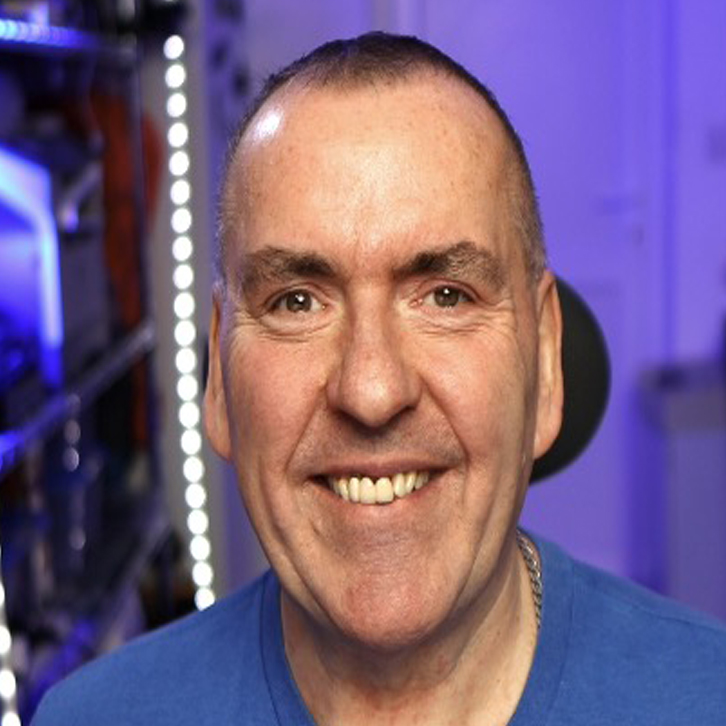
Chief Storybuilder
John Elbing has watched a lot of good companies get positioning wrong — including by doing everything the textbook says.
Agency brief, workshop, new messaging, and it still doesn't land.
His view: the mistake is where the story starts.
Through Standpoint and his book Storybuilding: Your Brand From Their Standpoint, he helps leadership teams rebuild their story from their customers' side of the table.
Based in Geneva, Switzerland.